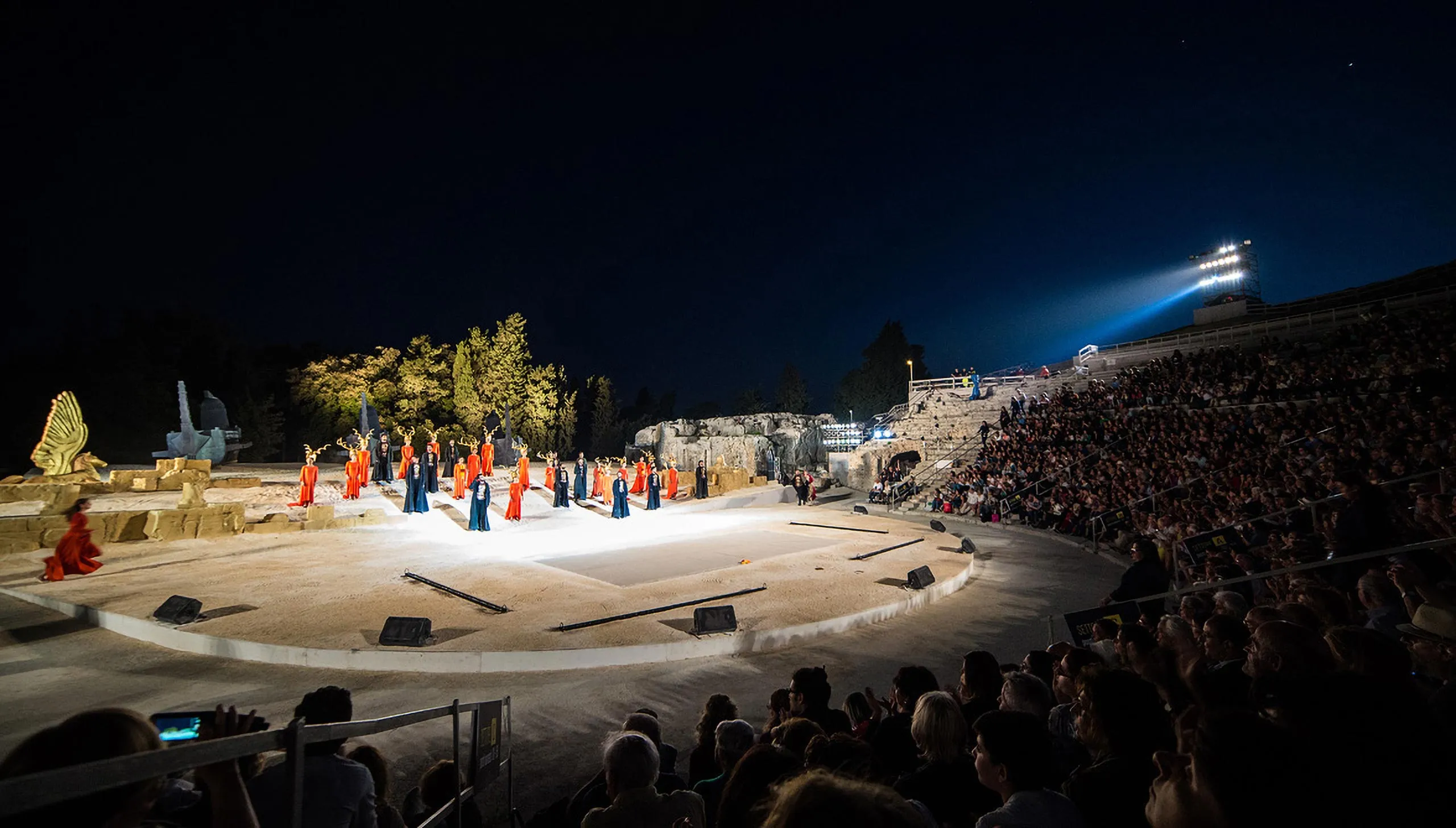
Classical Performances
2026.
May 8 – July 5, 2026: Antigone, Alcestis, The Persians, Iliad, Metamorphoses. Five productions between the Greek Theater and the Latomia del Paradiso. From our door to the theater: 950 meters on foot.
Five productions,
two ancient sites.
The 61st season of the National Institute of Ancient Drama is titled "Sconfinamenti" (Crossings). Three tragedies — Antigone by Sophocles, Alcestis by Euripides, The Persians by Aeschylus — alongside the Iliad from Homer at the Greek Theater and Metamorphoses from Ovid in the Latomia del Paradiso. A long season: May 8 to July 5. For those who want to go deeper, we cover the history of the festival and the Greek Theater; for the full picture of the summer, see the other events of the season.
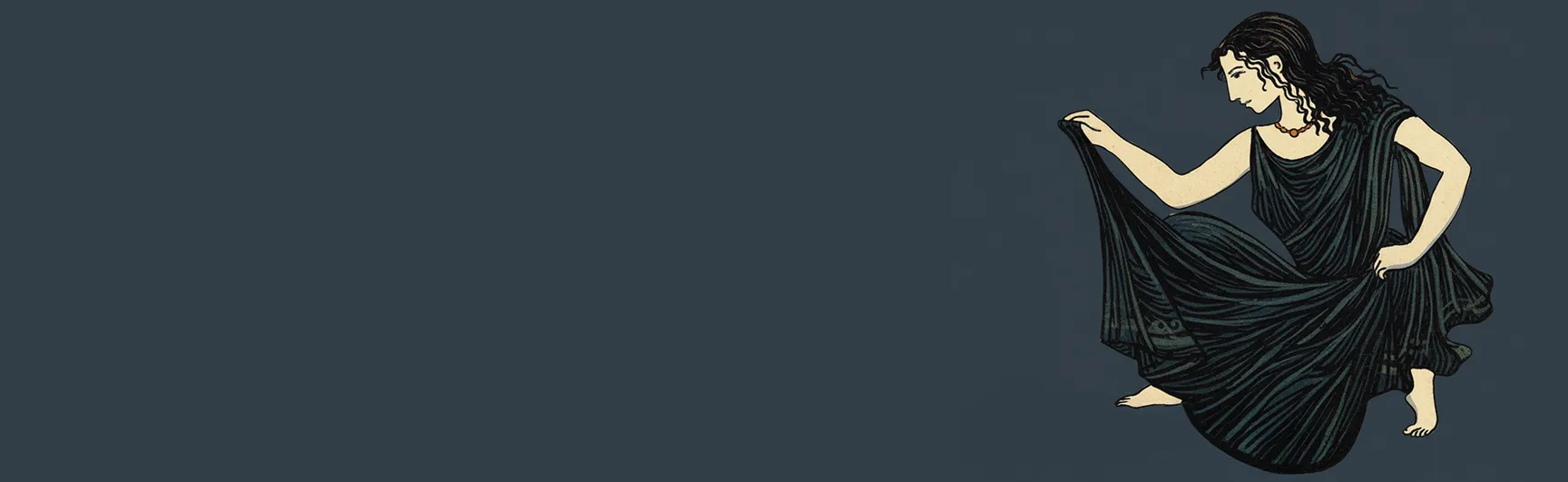
Antigone
by Sophocles.
Dir. Robert Carsen · Translation by Francesco Morosi
Creon forbids the burial of Polynices. Antigone defies the decree, choosing divine law over political authority. Condemned to death, she unleashes tragedy: Haemon and Eurydice take their own lives. The conflict between individual conscience and state power — the heart of Greek tragedy.
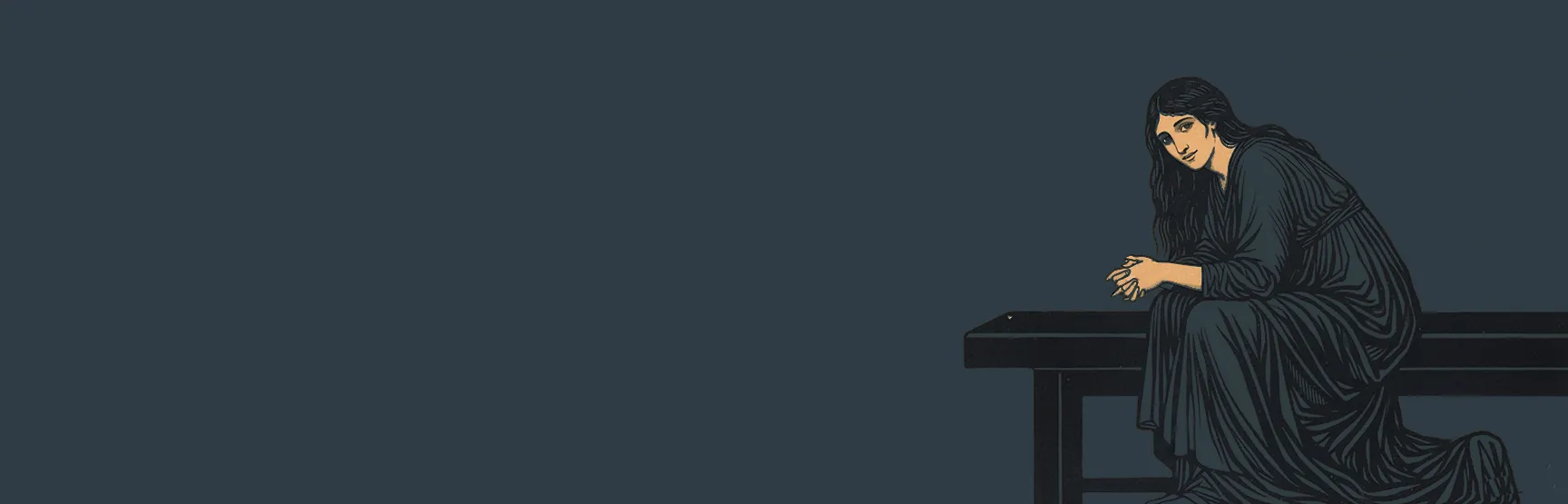
Alcestis
by Euripides.
Dir. Filippo Dini · Translation by Elena Fabbro · Music by Paolo Fresu
Apollo persuades the Fates to spare Admetus if someone else dies in his place. Only Alcestis agrees. Heracles, a guest in Admetus's house, confronts Death and brings Alcestis back to the living. Euripides' most unconventional tragedy — somewhere between drama and fable, with a happy ending that leaves room for doubt.
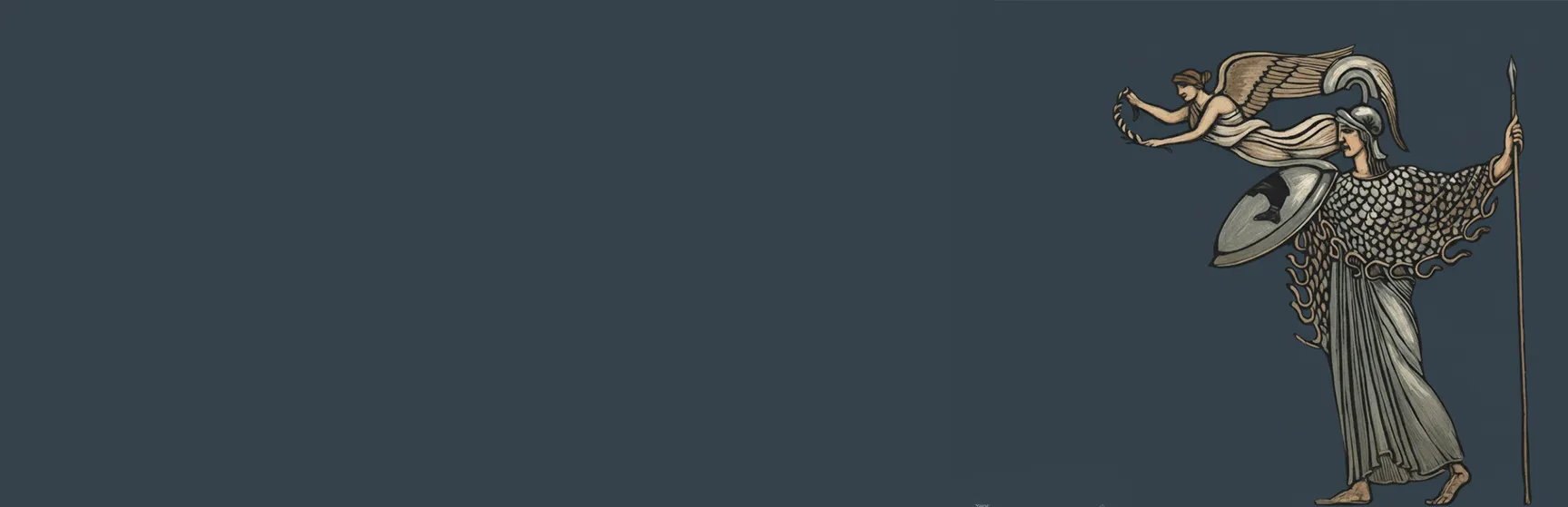
The Persians
by Aeschylus.
Dir. Alex Ollé · Translation by Walter Lapini
The oldest surviving tragedy. In Susa, capital of the Persian Empire, news arrives of defeat at Salamis. Queen Atossa waits, the shade of Darius warns, young Xerxes returns humiliated. The king's hubris brings catastrophe — Aeschylus, who fought at Salamis, tells the war from the losers' perspective.
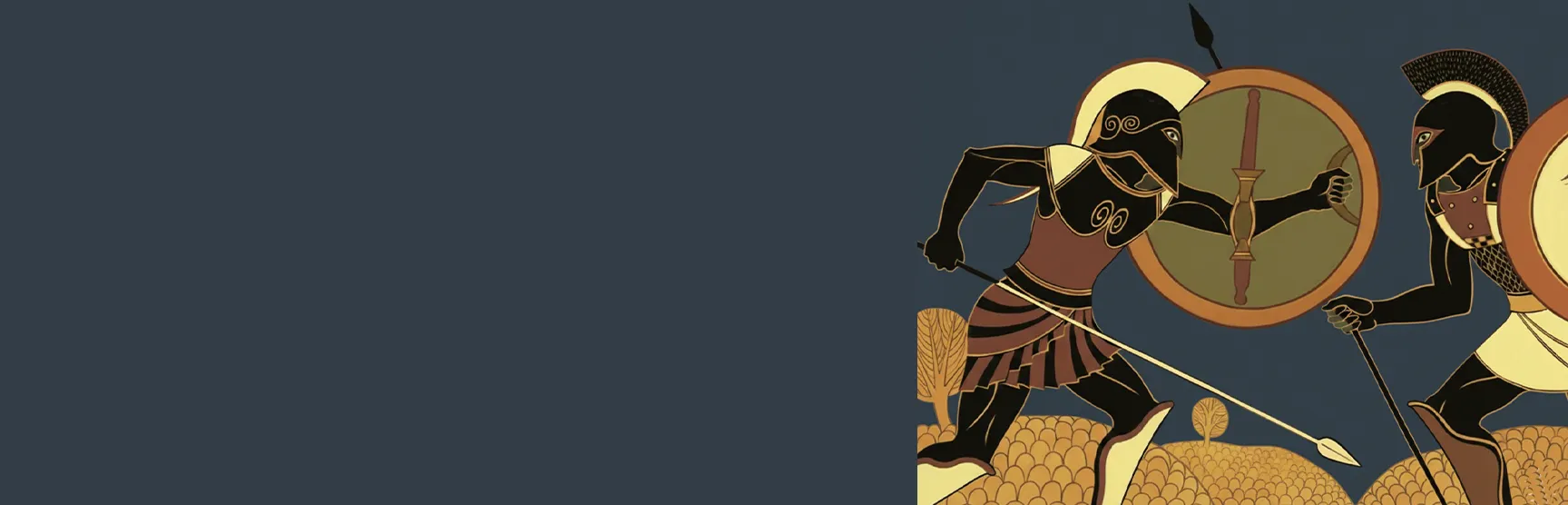
Iliad
from Homer.
Dir. Giuliano Peparini · Music by Beppe Vessicchio
A show of music, dance and poetry. The wrath of Achilles, the grief of Priam, the walls of Troy — Homer comes alive in the cavea of the Greek Theater through Peparini's choreography and Vessicchio's original score. Not a tragedy in the strict sense but a scenic reimagining of epic poetry.

Metamorphoses
from Ovid.
Dir. Giuliano Peparini
Not at the Greek Theater but in the Latomia del Paradiso — the ancient open-air stone quarries where Athenian prisoners once labored. Ovid's transformations come to life amid rock walls 30 meters high, performed by students of the INDA Academy and the Peparini Academy. Two performances each evening, at 9:15 p.m. and 10:15 p.m.
Times: 9:15 p.m. and 10:15 p.m. (two performances per evening).
Ticket: €20 flat rate.
Tickets
and prices.
Prices valid for Antigone, Alcestis, The Persians and Iliad at the Greek Theater. Metamorphoses at the Latomia del Paradiso has a separate flat rate.
| Settore | Lun–Gio / Dom | Ven–Sab |
|---|---|---|
| Central (A B C D E F) | €57 full · €49 concession | €70 full · €60 concession |
| Side (G H I L M N O P) | €50 full · €43 concession | €55 full · €47 concession |
| Upper cavea (S) | €35 full · €30 concession | €35 full · €30 concession |
Practical
info.
Start times
May (Antigone, Alcestis): 7:00 p.m.
June (all at the Greek Theater): 7:30 p.m.
Metamorphoses (Latomia): 9:15 p.m. and 10:15 p.m.
Getting here
From PhotoGuest: 950 meters on foot, 12 minutes. The route is flat, well lit and safe even after the show. Getting to the B&B →
Entrance through the Neapolis Archaeological Park, Viale Paradiso. We recommend arriving 30 minutes before the start.
Tips
The cavea is stone: bring a seat cushion. May evenings can be cool — a light jacket is advisable. Water and a hat for daytime performances. For advice on the best seats (acoustics, sightlines, upper vs lower cavea), ask us at check-in.
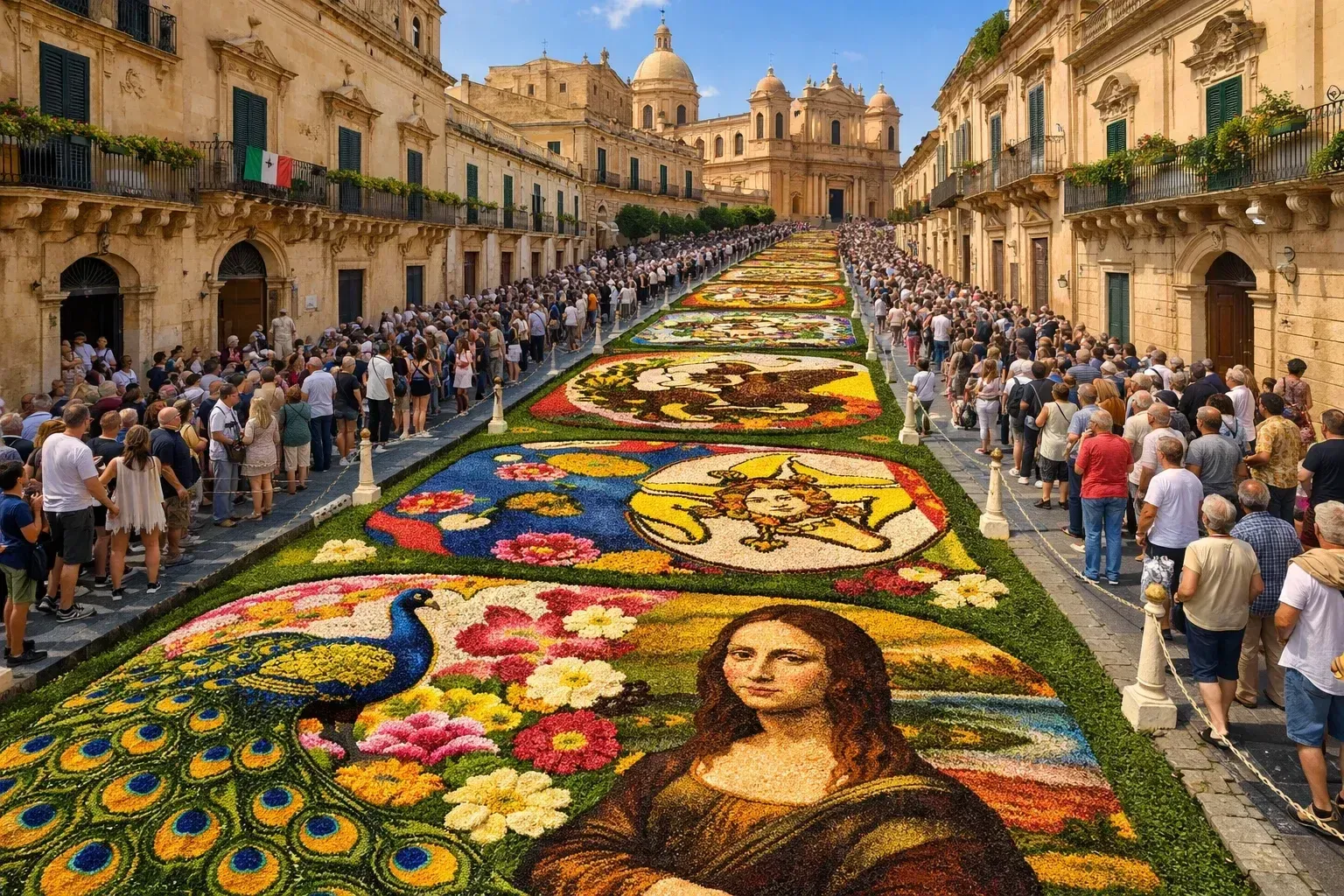
Also in May, in Noto.
While the Greek Theater opens its season, half an hour from here Via Nicolaci becomes a carpet of flowers: the 47th Infiorata of Noto, May 15–19.
Discover the Infiorata of NotoTheater in the evening,
breakfast in the morning.
PhotoGuest is a 12-minute walk from the Greek Theater. May, June and July are the most in-demand months of the year — book early to find a room on the festival weekends.
Book your stay →